FAYETTEVILLE, Ark.- Echoing sounds of barks and howls could be heard upon entering the front door of Fayetteville Animal Services, along with the distinct smell of dog. Bright colors decorated the boards for springtime along with pictures of animals there earnestly waiting for a home. The photos of the animals showed either brightly lit faces or sad, sunken eyes, but one thing remained in common with them all. A past. A past begging to be no longer remembered and a crave-able warm home providing love so desperately wanted.
In 2022, “We took in a total of 1,364 animals,” said the shelter’s Program Coordinator, Brianna Curry with an exhausted huff. “We adopted out 909 and sent 356 back to their original homes,” Curry said, choosing not to talk about the euthanasia statistic of NW Arkansas’s animals, but a slightly brighter one.
Every year in the United States alone there are 1.5 million animals that are put to sleep due to overcrowding in shelters or under-socialization from the previous owners. According to The Zebra, that number calculated equates to 670,000 dogs and 860,000 cats.

Arkansas is no exception to the steep rate at which animals are being put down daily.
All of the animal shelters are full, according to Curry. She stated that they only have five available remaining kennels left for dogs as of now.
Fayetteville Animal Services is a government-funded shelter, and it is now nearly packed to the brim.
Articles on Google stated that the euthanization rates of animals in Arkansas shelters were going down from 2015 to 2016 however, the number has been steadily climbing since, especially in 2020.
“During COVID, a lot of people got animals,” Curry said.
Animals during the height of the pandemic were tokened as “emotional support animals” with people being cooped up at home, unable to leave for work or go out and socialize with friends.
However, the moment the world opened back up its doors, it was like a tsunami wave for animal shelters.
“They need more time than I can give,” Curry said was a common excuse before dumping their bonded buddies at the door.
“This place is stressful, and it is hard for them to come out of their shells,” said Curry.
Behavioral issues have become a problem for this shelter due to a mix of overcrowding and the intake of under-socialized animals due to COVID-19 according to Curry.
Sandy Rutherford and her husband Claud who are Arkansas natives said they rescued their boxer mix, Brutus after he came in off the streets several years back.
“It wasn’t hard to tell he had to fend for himself,” Sandy Rutherford said.
“It’s a nice feeling to know that you’ve kept a dog from starving to death on the streets, or gettin’ run over,” she ended.

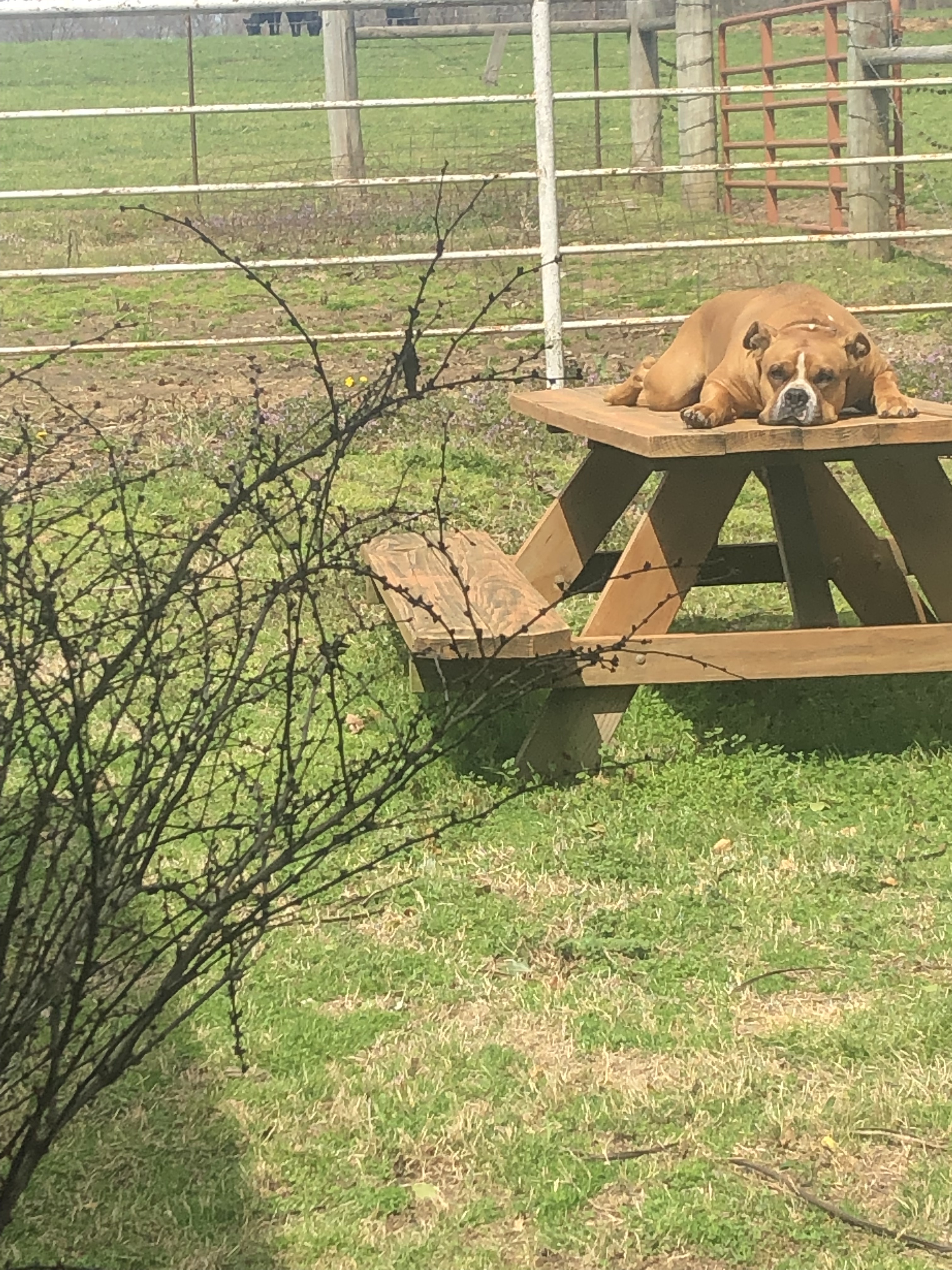
Witnessing dogs that were dead on the side of the road from being hit by a car, it’s heart-warming for Rutherford’s to know that they have been able to prevent that from happening to at least one dog.
Jan Gardner, who has been rescuing dogs for over a decade is passionate about educating people on rescuing and spaying/ neutering their pets.
“Just a hoot and a half!” is what Gardner said about her previous rescue dogs.
Gardner said she rescued a cattle dog who was 12, named Bentley. She mentioned how happy the shelter was when she adopted him because they thought no one would want him because of his age.
“He fit perfectly with our family. He had arthritis, I have arthritis… we were a team!” Gardner said.
“When I first started to rescue, I paired with English Springer Spaniel Rescue America,” Gardner said.
“They want to get these dogs out of the shelters. The more dogs they can have leave the shelter and into a home, the better.”
Gardner, the VP of an animal welfare group, mentioned that part of what they do is go around in the “neuter-scooter” she mentioned with a laugh. It is a small clinic on wheels offering pet owners a chance to get their pets spayed/ neutered. Through doing this, it shines a light of hope on the dark statistic for how many homeless animals are put to sleep each year.
Mentioning COVID-19 as the main cause for the over-impaction of shelters another reason Gardner added was, “Breeders failing to tell people what they need to know can result in giving them up.”
Currently, Gardner has three dogs with her husband, all of whom have been rescued. One of which is another cattle dog named Momo.

“He is a 3-and-a-half-year-old cuddle dog. He is an experience and a half,” she happily exclaimed, mentioning the fact that he is such a rarity because most cattle dogs are not normally super lovey but more so meant for herding.
“I don’t know if I would have had the same experiences, but I feel my emotional experiences have been so much more richer,” Gardner ended, talking about if she bought her dogs from a breeder versus through rescue organizations.
Fellow dog-lover and rescuer Amy Ramsey saw the urgent need for more rescue organizations in Arkansas and realized she could do something about it, which lead her to open her own non-profit- Ruby’s Rescue and Refuge in 2020.
“Seeing the struggle other shelters had, I really hoped to make a difference on my own,” Ramsey said.
Her whole perspective on rescuing animals pivoted when she first met Ruby after finding her dumped on the side of the road at 8 weeks old.
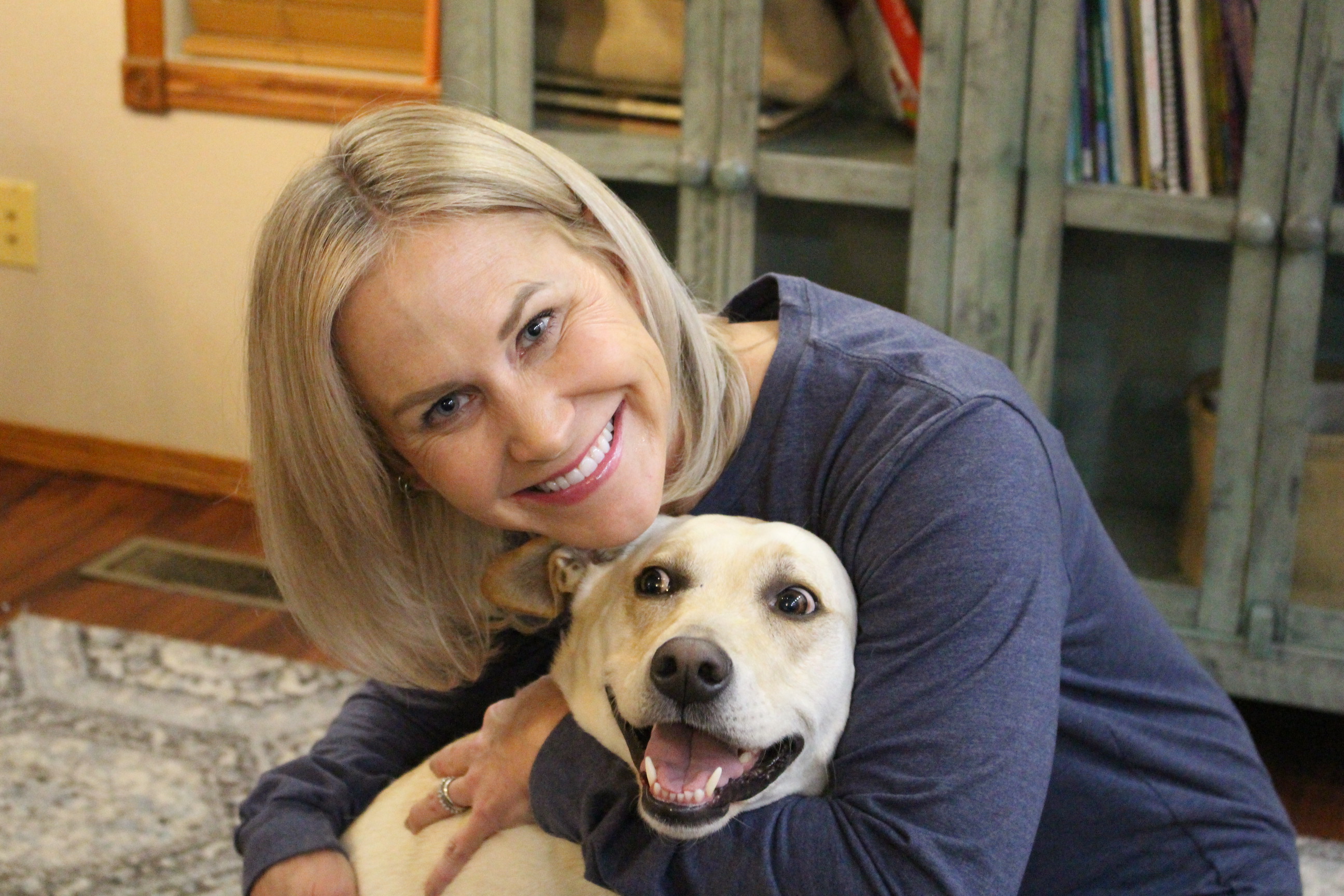
Having rescued over 50 dogs, she operates out of her own home and through the help of fosters who volunteer.
“We have six of our own dogs that are rescues plus one dog through our rescue named Milly; our house is pretty full,” Ramsey said.
Ramsey said breed bans are strict in certain parts of the state as well, “Specifically in North Little Rock, dogs [pit bulls] don’t get out of the shelters unless they’re pulled by a rescue.”
Her voice cracked, “For motivation, it’s tough because sometimes if you don’t save a dog and you don’t make that call, you’re the difference to whether they live or not. And that’s happened because you can be too late,” Ramsey said with tears in her eyes.
“It’s about being able to save that one more dog and focusing on that. If you look at all of them you can’t save, you wouldn’t be able to get out of bed in the morning,” Ramsey said.

 nat.burgess