April 30, 2023
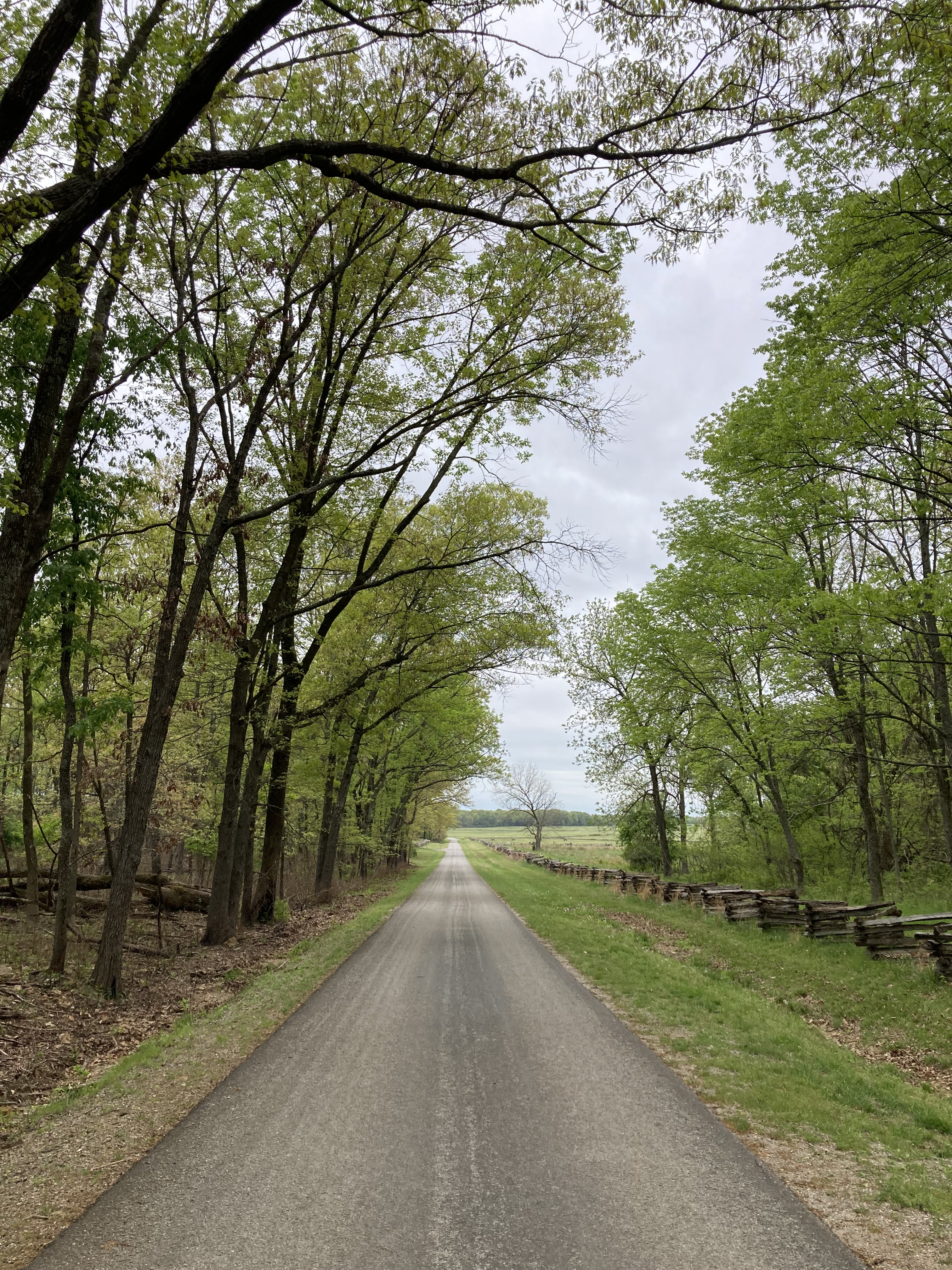
Prairie Grove, Ark.- The once visually war-tattered ground that was covered by the blood of the lives of the Union and Confederate armies that fought and died there on December 7, 1862, is a juxtaposition to the now finely trimmed grass and flower-covered trees that reign through the property of the Prairie Grove Battlefield State Park.
Visitors hear an eerie wind that rips through the trees as well as distant sounds while walking through the park.
Mattison Griffin, the park interpreter, talks of her passion for sharing with visitors about the park’s history and fateful past, maintaining that the park is strictly operating out of historical, not political remembrance.
“I really enjoy just getting to share that history with people that are locals who’ve grown up here since they were little and have been here, as well as those who are international and are just in the area and like, “Oh, we saw the sign and wanted to see what it’s all about.””
Working for the park since September 2021, Griffin said she came to the park as a child and it has been a full circle experience to come back and share what she has been learning since childhood.
However, the state of Arkansas is currently undergoing many controversial changes with numerous Confederate monuments across the state being removed. A Confederate monument, which is owned by the United Daughters of the Confederacy was put in the downtown Bentonville square in 1908. But it was removed in 2020 due to racial backlash.
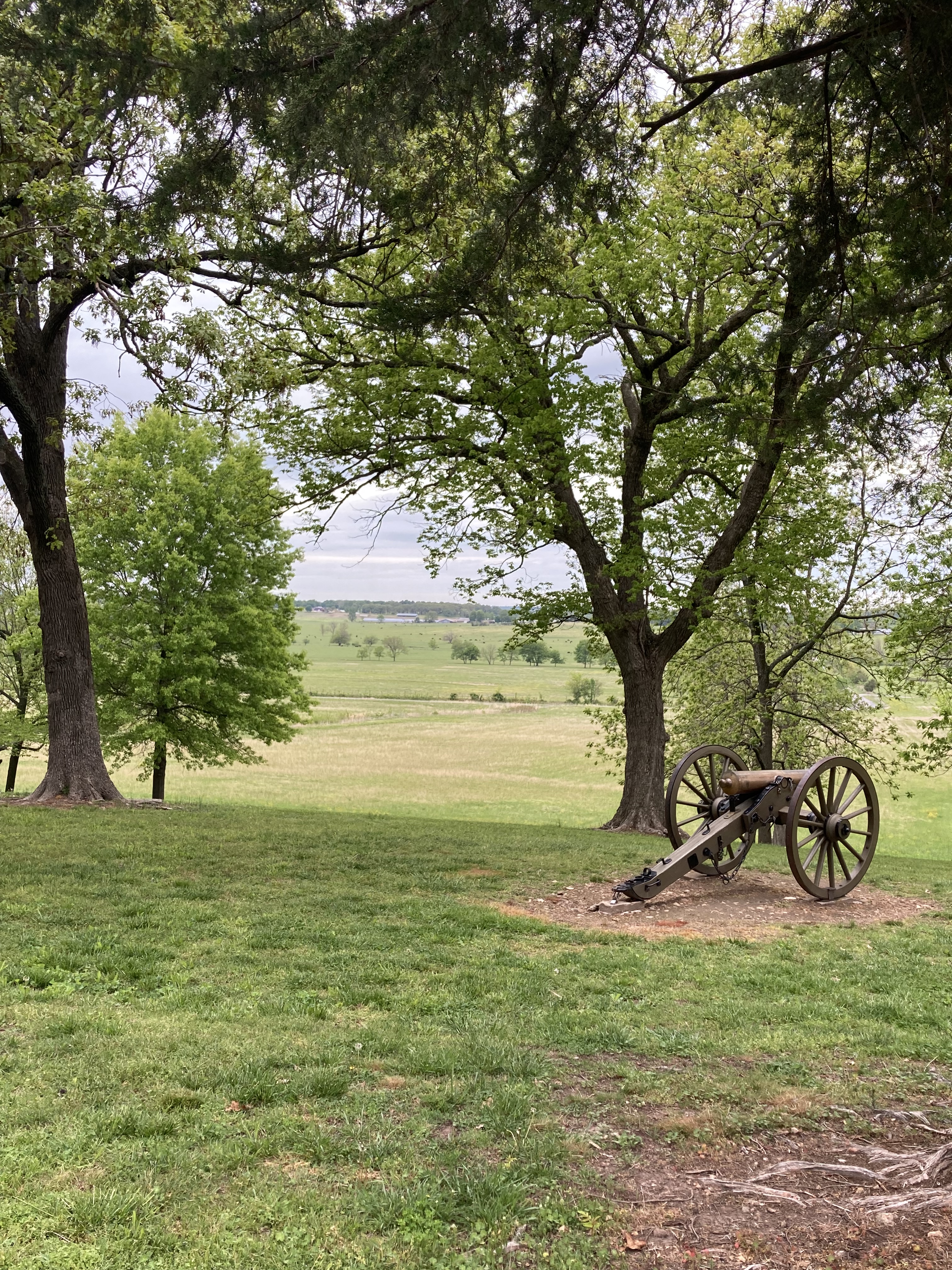
“This is a way that we remember what happened here. Not to shame either side but to think about it and reflect on it, and what happened here during that time,” Griffin said regarding the relics of the Union and Confederate that resign in the park.
The United Daughters of the Confederacy founded the Prairie Grove Battlefield State Park in 1908 as a way to commemorate the soldiers that fought there and it has also served as a reunion ground for a number of years, according to Griffin.
Understanding the room for controversy, Griffin, however, explained the peace and intention behind it.
“We wouldn’t be here without the United Daughters of the Confederacy, they were the ones that started this as a reunion ground and so we’ve been able to carry that through, and while some people may see that as controversial, we wouldn’t be here without them.”
Griffin said that there has been a misconception surrounding the word ‘confederacy’ in correlation to what the park itself stands for and what they represent.
“…That’s something that a lot of people think with the Confederacy, that’s what happened,” Griffin said. “But, in this area specifically, and we actually talk about this in some of our exhibit panels is this area of the state, there wasn’t really much slavery. A lot of the people in the area had more family farms. And if you look around, there’s a lot of mountains. You can’t necessarily grow a lot of large crops- plantation-style crops, in a mountainous area.”
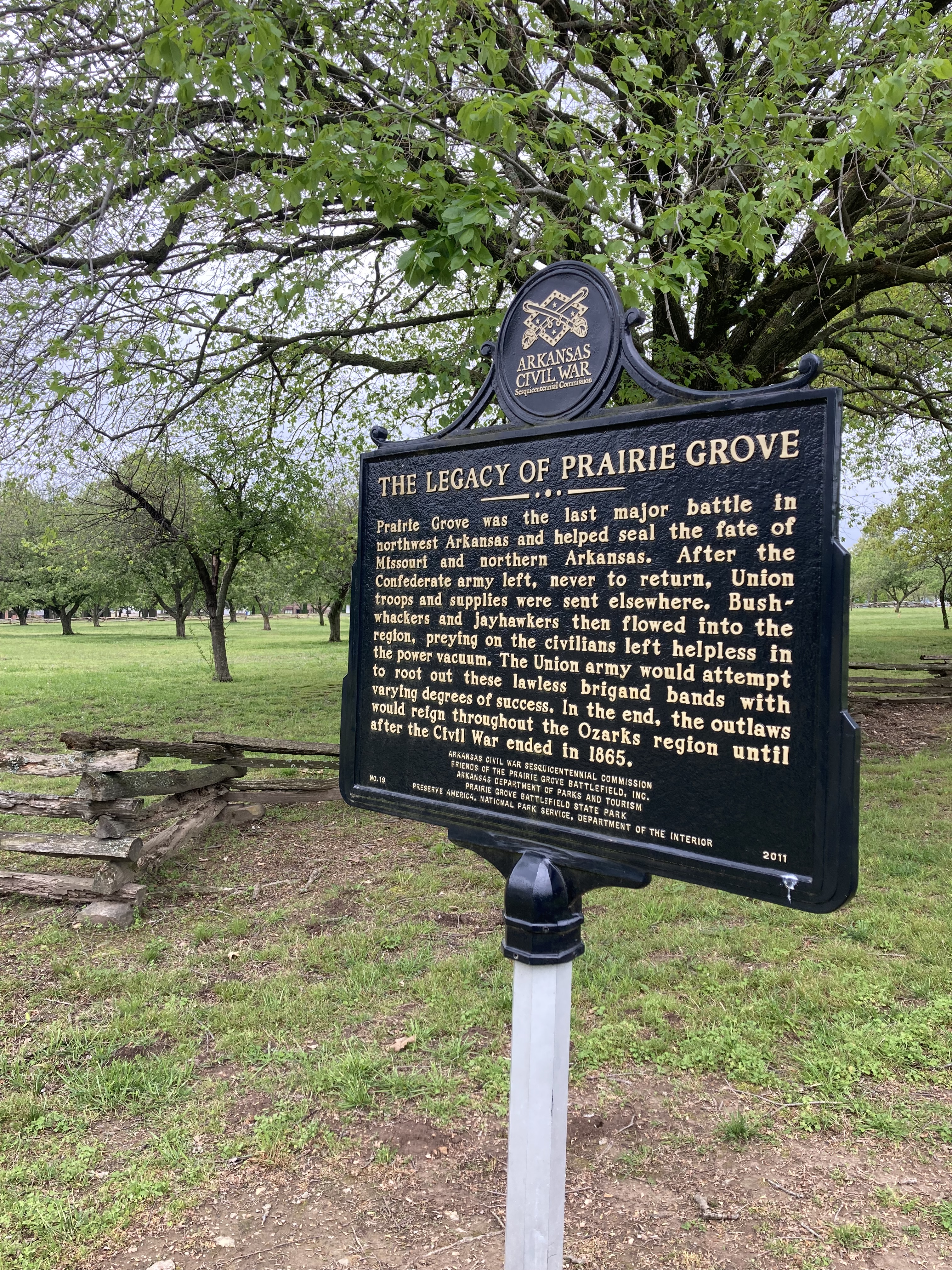
Not disregarding slavery or undermining it, Griffin said that it was not the root cause of this Civil War battle between Prairie Grove and Pea Ridge.
“If you look more to the southern portion of the state, specifically the southeastern portion, it’s a lot of flat land. They’re able to grow those large crops in large areas. And so, because of the terrain and because the families were more family farms, they were worried about feeding their own family members, not necessarily worried about feeding slaves. They didn’t have any slave-owning families in this area… They more or less fought for their homes and for the protection of their homes.”
Not fighting wasn’t an option for many, and a multitude of men were forced away from their homes to fight in this battle.
Some of them were fighting because they knew if they didn’t fight with the rest of their community, their families were gonna be tortured, their families were going to be in more trouble than it was worth,” Griffin said.
Cindy Whitehouse, who has worked for the park for the past 9 years and has volunteered for the past 30 years, said that the state park has taken a firm stand on their beliefs regarding how they want to be perceived by the public eye.
“We’re historical and educational, not political,” Whitehouse said.
Local and park enthusiast, Alec Hapner, shared how it is important to him that this history remains engrained in the minds of the people who come and visit the park.
“I feel that it’s important to remember the sacrifices people made and what they were there for. And the history that was made and the people who were behind it.”
With no official report made to strip the park of any historical artifacts or memorabilia, Hapner said that he hopes this park stays open for future generations to come.
“I always appreciate the view of the battlefield park in Prairie Grove when I drive by it and all of the work that has been put into it to keep it alive for the next 100 years,” Hapner said.
Griffin went into detail about the park’s museum and the interactive learning diagrams and audio, and visual screens that help teach visitors about the battlefield’s history.
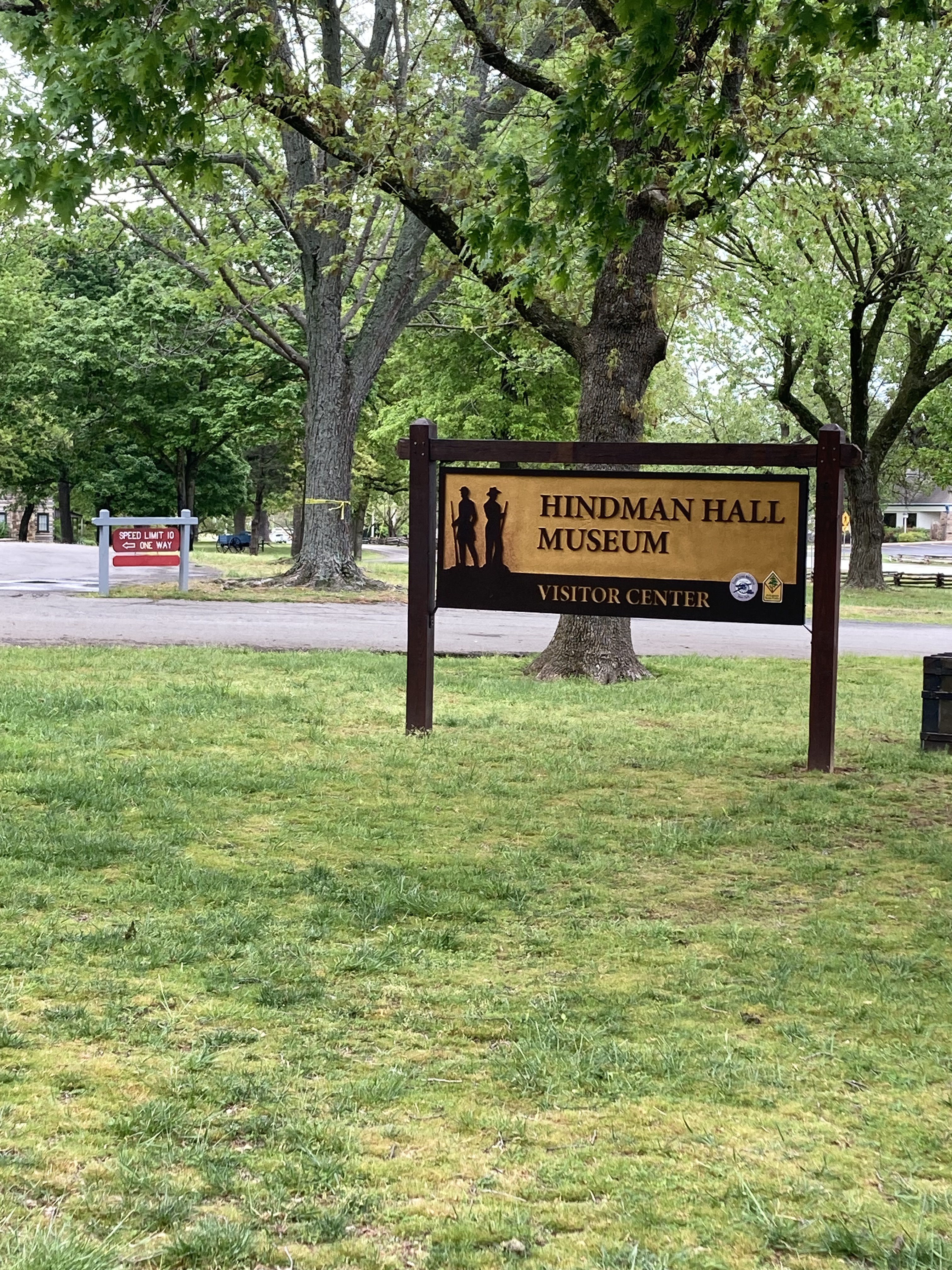
“The building we’re standing in right now is Hindman Hall Museum and the reason it was named Hindman Hall is because of General Hindman who was the Confederate General. His son left, in his will, money to be donated to the park to build something in honor of his father and other Confederate soldiers that fought with him… so there are some people that might see this as controversial because it’s a Confederate name… we’re not going to change it. Because the money was donated by his son. We’re granting his wishes,” Griffin said.
Regarding troubles faced by people with opposing or strongly related beliefs, Griffin mentioned that they have had some “Confederate diehards,” although she shared that they combat some people’s beliefs with the truth.
“We try to do our best to kind of gently explain… All we can share are the facts. How people take those facts home with them, is up to them,” Griffin said.
Griffin and the employees of Prairie Grove Battlefield State Park simply want to address any misconceptions and Confederacy-related beliefs and how they are not advocating for or positively encouraging the remembrance of a time of slavery in a happy way in any shape or form.
Speaking in general about Arkansas’s history, Griffin said, “I feel like we need to keep the statues, we need to keep the monuments, just because if we don’t we’re gonna forget what happened. And while we may not necessarily agree with things that did happen back then, we need to keep those so that we learn from those mistakes. And so I think by having this, we’re teaching locals, we’re teaching people from across the country and internationally that may not be taught these things.”

 nat.burgess